Home » Uncategorized

Category: Uncategorized

Salmon Pictures from 2016 Season

I hope you have been enjoying your Autumn. I’m excited to be back and selling more salmon. I had a successful season with a very large run. We were out at sea for four weeks straight, and our fishing crew got along great this year. To keep the fish fresh for you, we make sure to use RSW (Refrigerated Sea Water) and bleed each fish on the boat before putting it in the hold.

Here are some photos from my trip this past Summer. Hope to see some of you soon!

[ NPR ] That Salmon On The Menu Might Be A Fraud — Especially In Winter

Would you be able to tell if the wild Alaskan sockeye salmon you ordered for dinner was swapped out for a less expensive piece of farm-raised salmon?

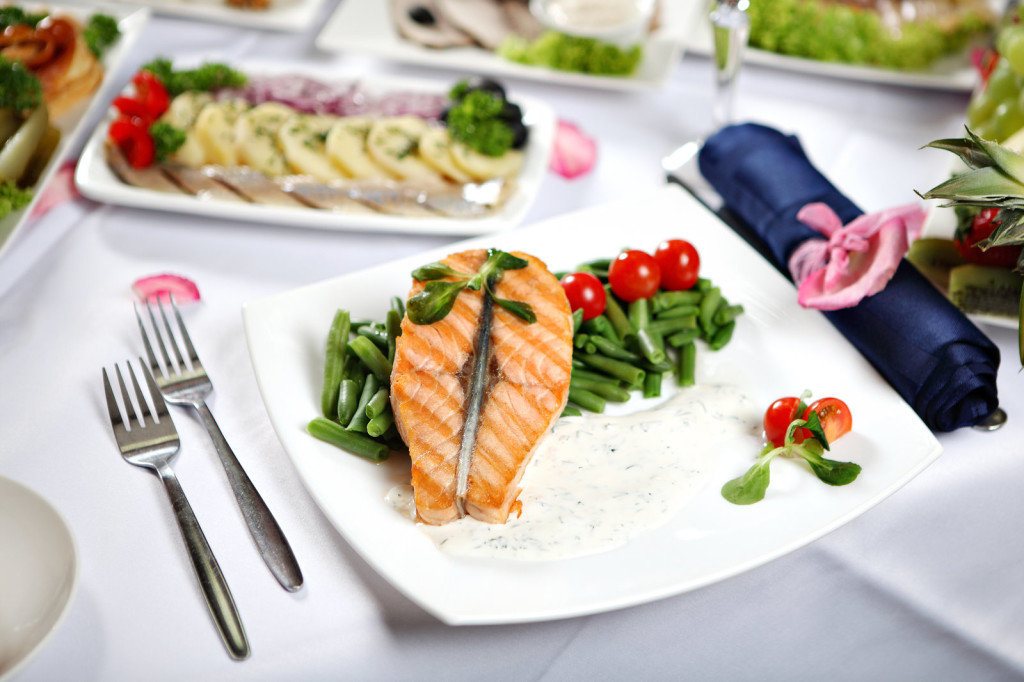
For the observant, the color difference between the two would likely be the first giveaway. (Sockeye has a deeper red-orange hue.) Or maybe you’d notice the disparity in the thickness of fillet. (Sockeye is flatter and less steaky in appearance.)

But what if you ordered the most coveted of salmon species — king salmon? (It’s also known as chinook.) Much like farmed Atlantic salmon, it’s light in color, thick in texture and similarly marbled with fat. It’s also significantly more expensive. And according to a new report released Wednesday by conservation group Oceana, it’s a fish about which you’re more likely to get duped — especially if you order it from a restaurant during the winter.

Read the full article on NPR

Though Labeled ‘Wild,’ That Serving of Salmon May Be Farmed or ‘Faux’

From The NY Times :

The wild-caught salmon sold by restaurants and fishmongers is frequently farm-raised fish that has been mislabeled, said a report released Wednesday.

Using DNA analysis, the nonprofit ocean conservation group Oceana studied 82 samples and found that two-thirds of the salmon appearing on restaurant menus were incorrectly labeled. Twenty percent of salmon from groceries was incorrectly identified, the group found.

Over all, 43 percent of the salmon the group collected — in New York, Washington, Chicago and Virginia, from upscale and takeout restaurants, and from various neighborhood and chain groceries — was misidentified. The researchers reported that the most common mislabeling in their survey involved Atlantic salmon being sold as “wild salmon.” The group also found instances of chum salmon being advertised as costlier king salmon, and of rainbow trout sold as wild salmon.

Continue reading the main story